
Bus

Buying a Used Bus in Australia: What You Must Check First

7 min readBy Jez Smith
Buying a Used Bus in Australia: What You Must Check First

Buying a Used Bus in Australia: What You Must Check First

Whether you're purchasing a coach for a charter business, a mini-bus for community transport, a school bus for student services, or a converted motorhome, buying a used bus requires careful attention to safety compliance, registration categories, and financial encumbrances.
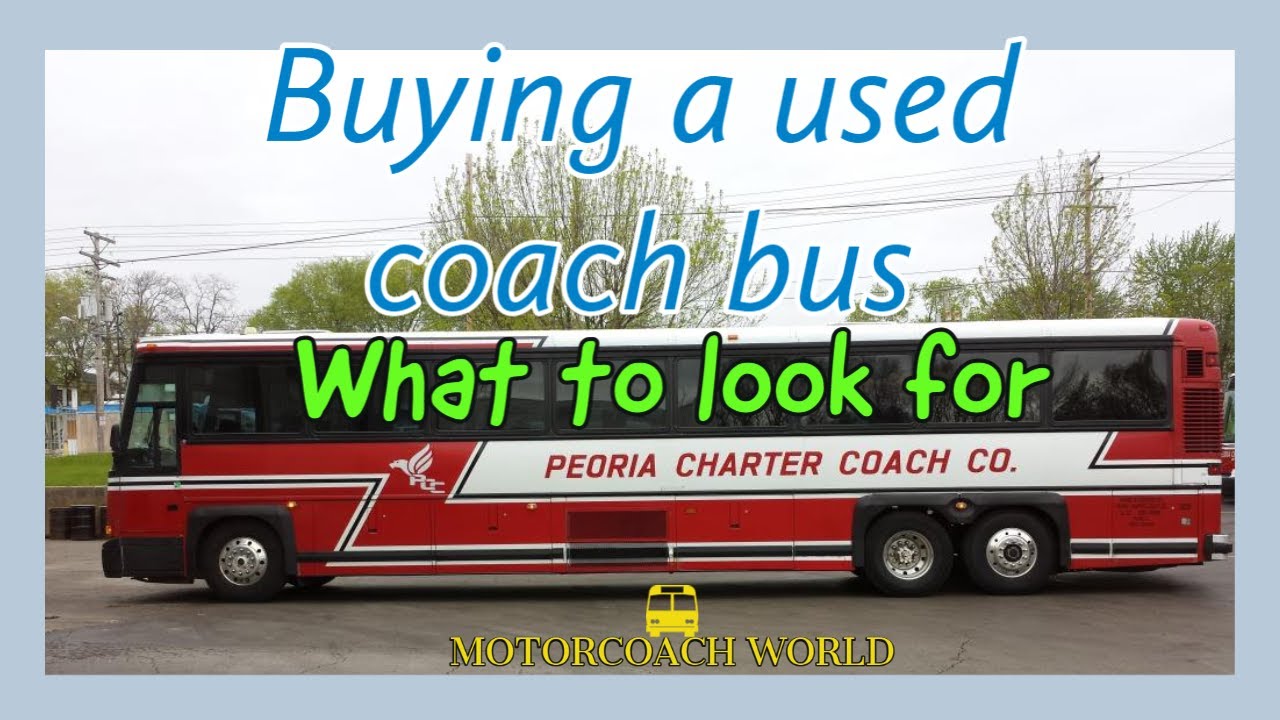
Watch: Buying a Used Bus in Australia: What You Must Check First

Buying a Used Bus in Australia: What You Must Check First

Watch on YouTube

Regulatory Framework for Buses in Australia

Buses in Australia are regulated under a complex framework including:

  • National Heavy Vehicle Regulator (NHVR): for buses over 4.5t GVM
  • State-based licensing: for passenger transport operations
  • Passenger Transport Act: requirements that vary by state
  • Accreditation requirements: for operators carrying passengers for hire
  • Before purchasing any bus intended for commercial passenger operations, confirm that the accreditation and licence requirements in your state are achievable with the specific vehicle you're buying.

    Step 1: VIN Check and PPSR

    Every bus carries a VIN. Run a National VIN Check Gold report before viewing. This confirms:

  • No finance encumbrances — buses used in commercial operations are frequently secured for large loans
  • Not reported stolen
  • WOVR history — a written-off bus has potential structural and safety implications
  • Registration status — buses require annual safety inspections; check it's current
  • Step 2: Safety Inspection History

    All buses in Australia that carry passengers must pass periodic safety inspections. Request:

  • Complete service history records
  • Current annual inspection certificate
  • Any defect notices issued and signed off
  • For school buses specifically, confirm compliance with the relevant state school bus safety standards.

    Step 3: Mechanical Inspection

    Key areas for bus mechanical inspection:

  • Engine: — buses work hard and engine condition is critical; compression test if practical
  • Transmission: — both automatic and manual versions are expensive to rebuild
  • Steering: — check for play and correct self-centring
  • Brakes: — air brakes on heavy buses require specialist inspection; test all circuits
  • Tyres: — inspect all positions including dual-wheel inner tyres
  • Step 4: Body and Structure

  • Check all emergency exits operate correctly (required by law)
  • Inspect floor for rot, corrosion, or structural weakness
  • Check roof seals around vents and hatches for water ingress
  • Inspect seat mounting for floor integrity
  • Verify fire extinguisher is present, accessible, and in date
  • First aid kit — must be stocked and accessible
  • Step 5: Accessibility Compliance

    If the bus is intended for disability transport or community transport under government contracts, confirm compliance with the Disability Discrimination Act and relevant Disability Standards for Accessible Public Transport.

    The Right Check for a Major Purchase

    A bus purchase is a major business investment. A National VIN Check Gold report at $29.95 gives you PPSR, WOVR, stolen status, registration data, and market valuation — essential due diligence before any commercial vehicle acquisition.

    Useful Australian Resources

    Popular places to browse and research your next vehicle — always run a history check before you buy.

    Buying a used bus?

    PPSR and identity checks for school buses, minibuses, and transit coaches. From $9.95 + GST.

    Buying guides by vehicle type

    Check by state: NSW · VIC · QLD · WA · SA · All states

    Related Articles